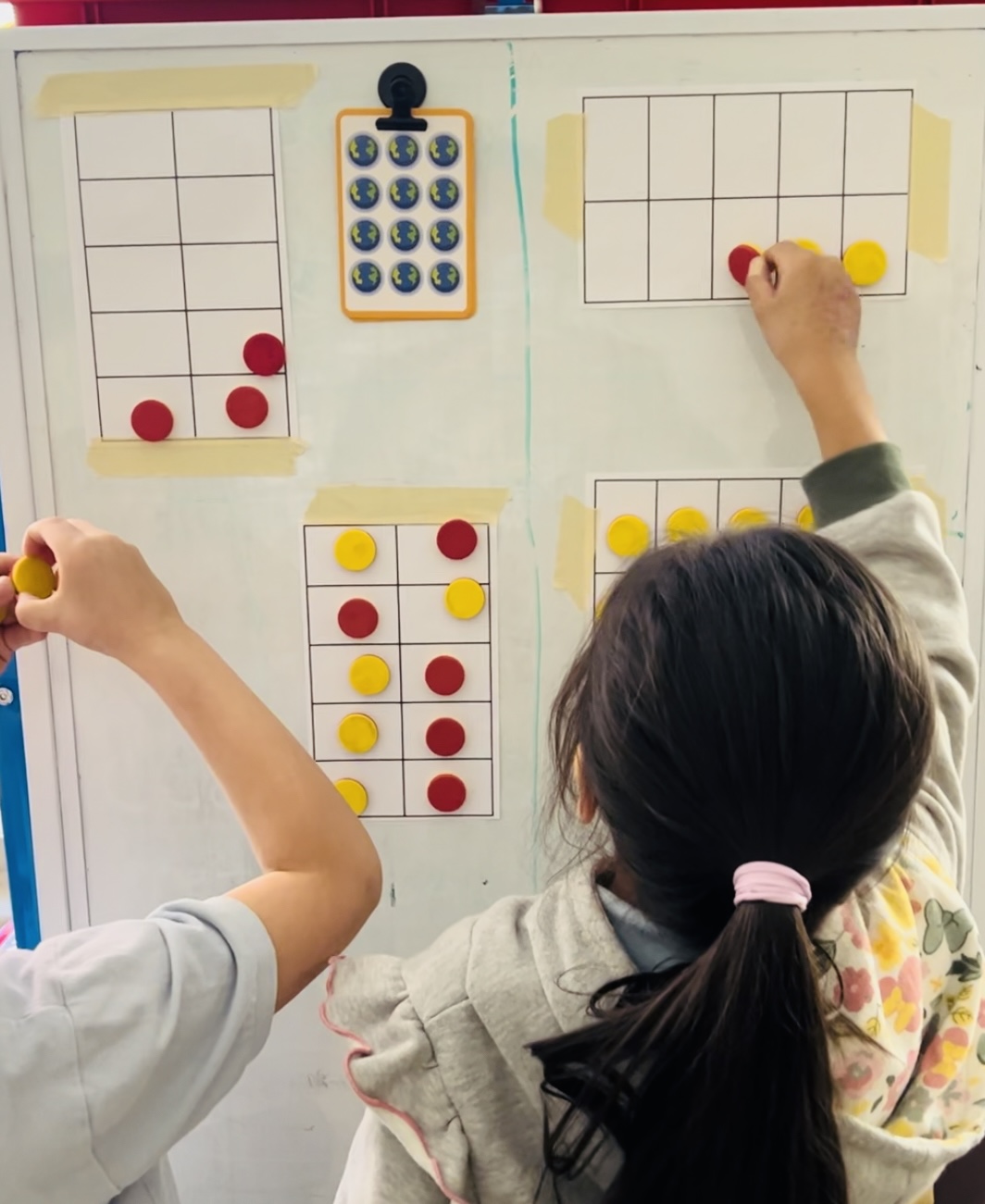
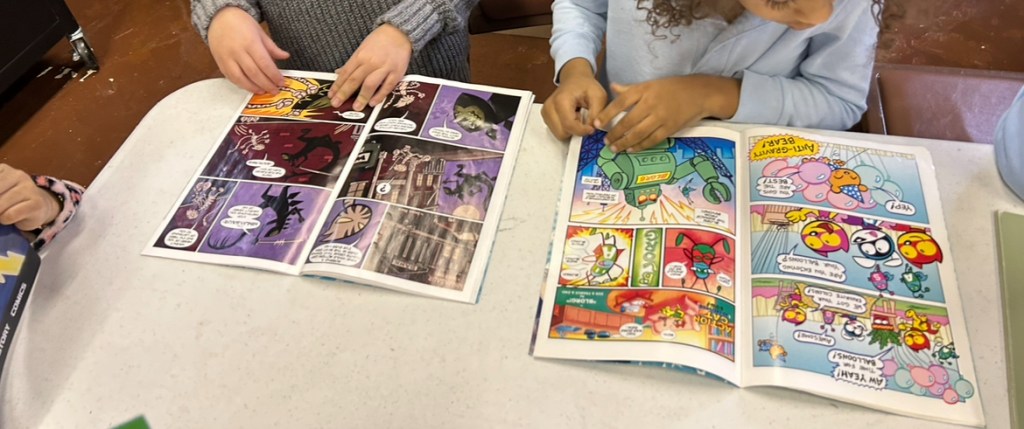
Book 1: “Los animales no se dormian / The animals would not sleep” by Sara Levine
One of my classroom management strategies is to use rotations of centers or activities so that I find time to meet with each of my students individually or in close quarters. The students did not know this would be different from the didactic GoMath lessons and workbooks, and it was interesting to see the students become excited for something new.
Preparation for the lesson: 5-8 minutes
- Students were asked about their bedtime routines.
- Some were living in the shelters our city set up, some shared a room with a family member, and some had their own spaces.
- Students used open discussions with each other to make observations about Marco’s bedtime routine.
Preparation for activity:
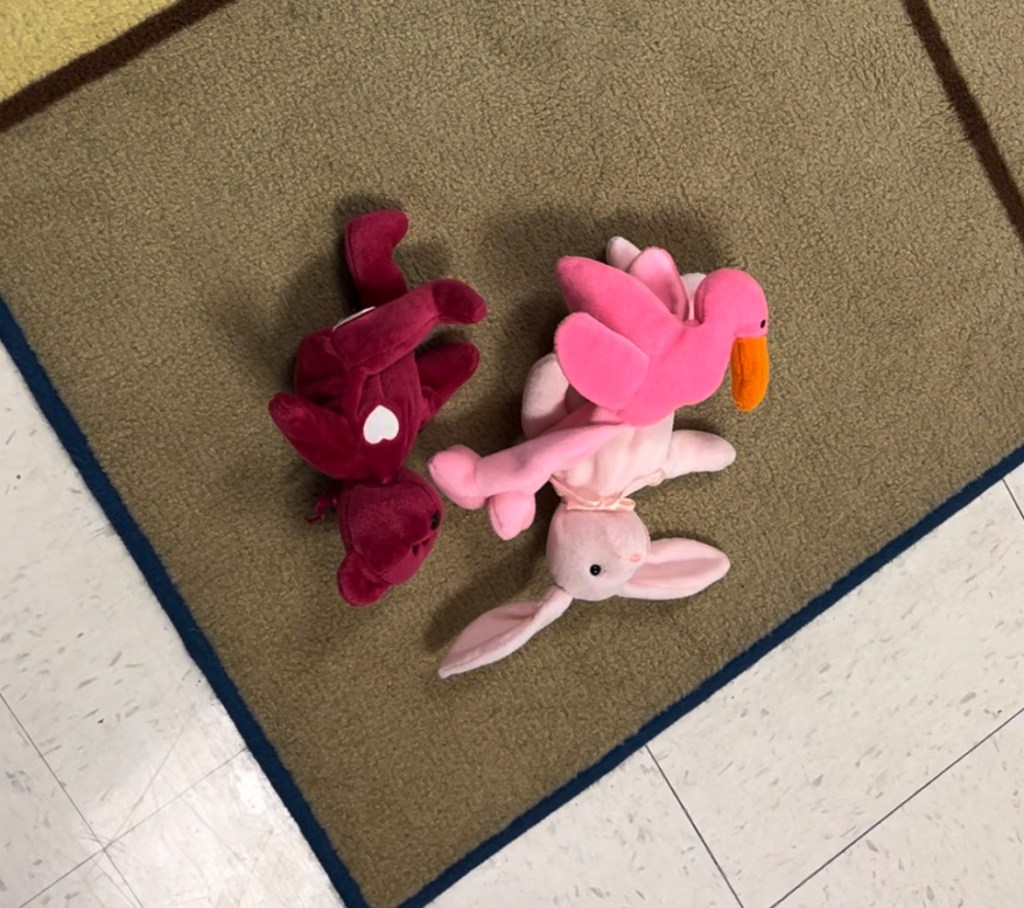
Students were given 20 minutes as a team to organize a bin of stuffed animals.
Some students took the lead and suggested organizing by animal type, then color, and by habitat.
Conversations continued and collaboration was supported when students came upon a disagreement, “Does the fox go with the cats or dogs?”
Extension of Lesson:
- Students used “Esos Zapatos” by Maribeth Bolts during Spanish Language Arts to apply algebraic thinking and social equity: “Can we make a stuffed animal store?”
- Students also discussed creating a shoe store with a range of prices that didn’t exclude shoppers like the story.
- The intervention participants were able to see a different use for sorting and classifying when their peers decided the price would be set by the animal or shoe’s popularity among the class.
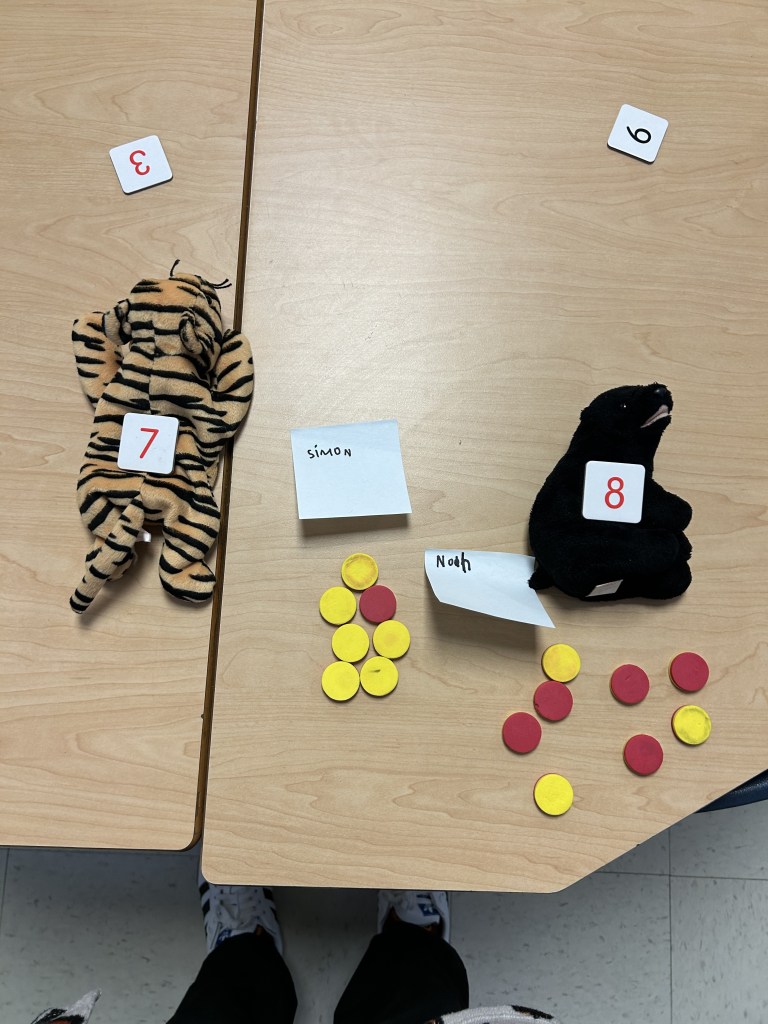
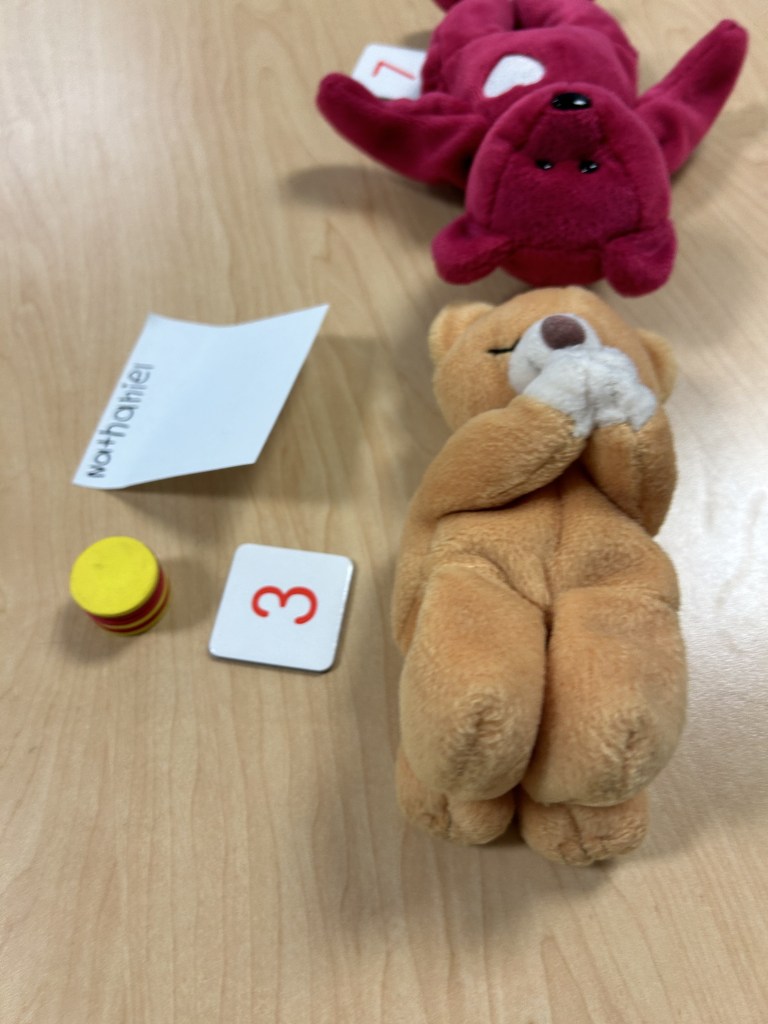
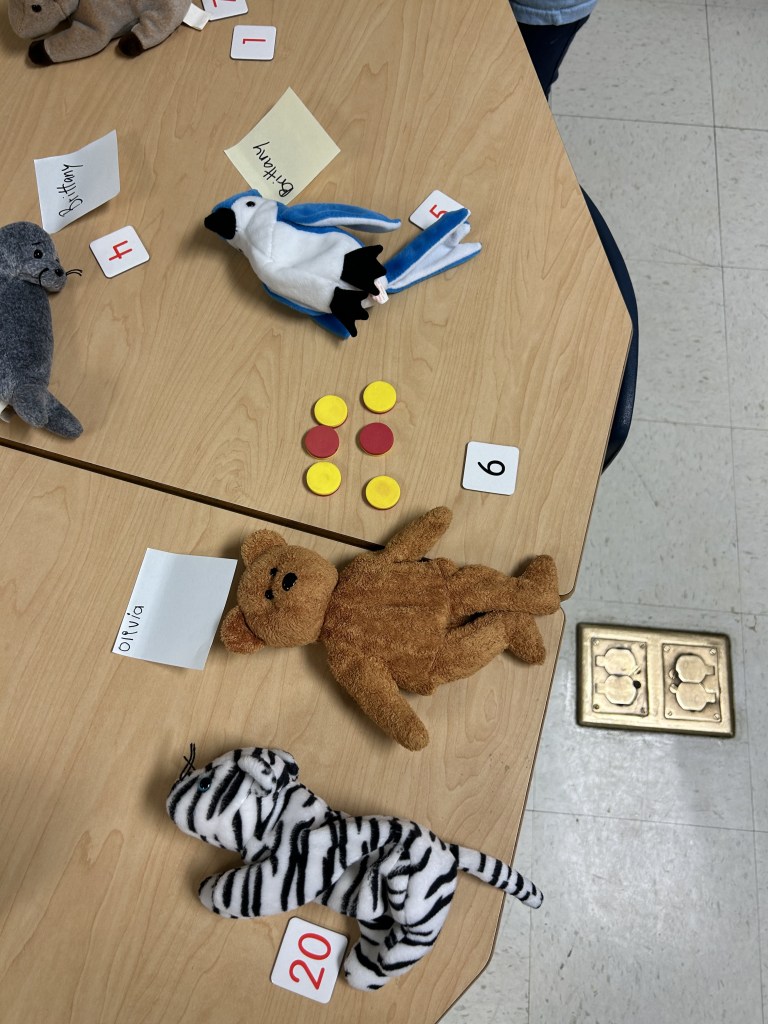
Out of all the results I could have hoped for, the best case scenario would be for the students to have a positive math identity. It was very important to relate the issues of equity in our social worlds, with the ideas presented in math. When students separated animals by color in Book 1, that day the conversation of segregation and separate but equal came up during social science. Students identified when it is ok to separate something by color (toys, laundry) versus when it is an act of anti-Blackness.
Later in the year, when a micro-aggression came up relating to a comment about skin color, a non-Black student immediately called it out as a racialized comment. It was in these moments that I knew this work was resonating with them, as they were applying the foundations of anti-racist education within their own social circles.
 racial justice in early math